I Finally Read the Bitcoin Whitepaper
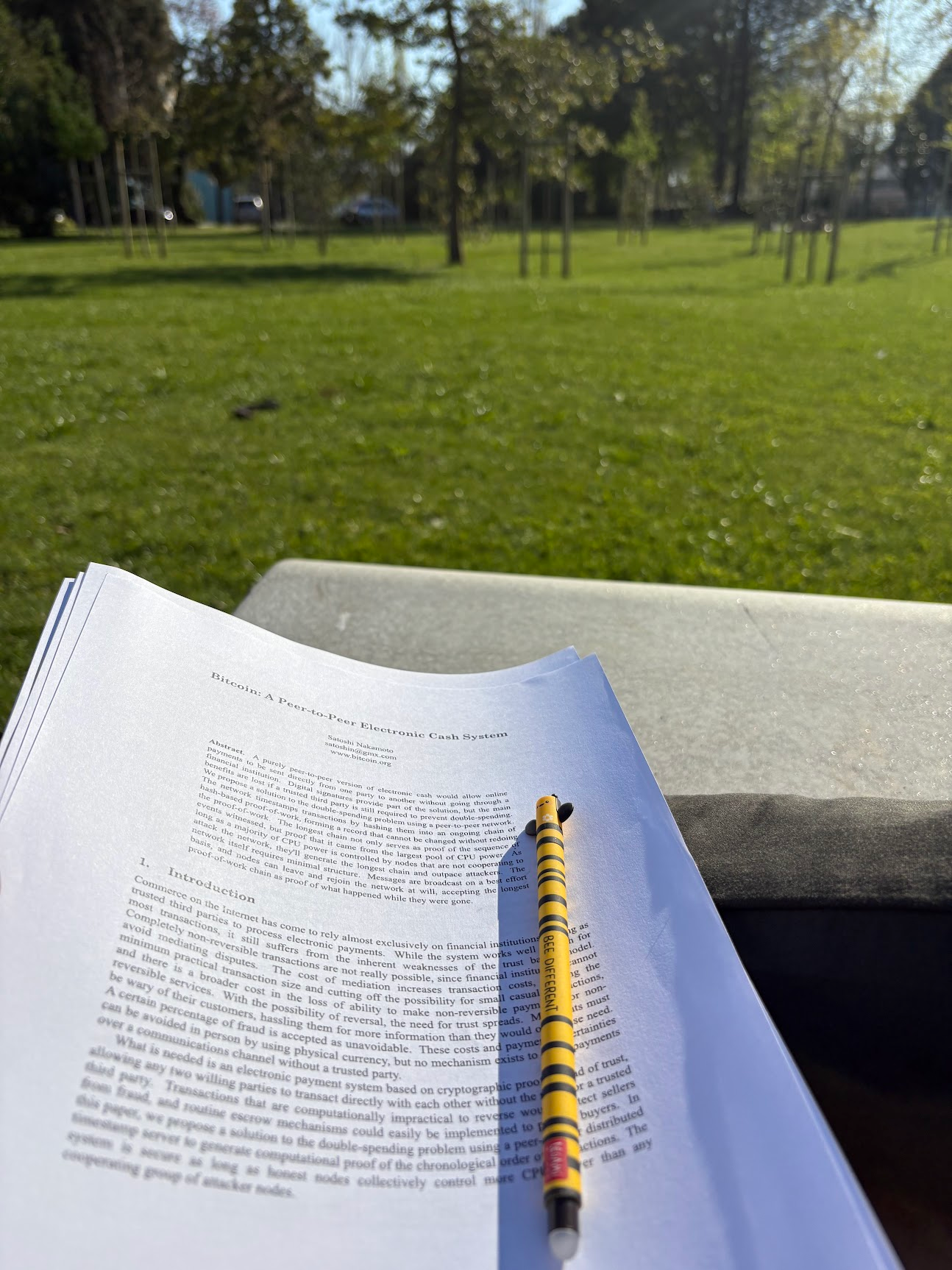
Yesterday I printed Bitcoin's whitepaper. I've understood how it works for a while — mostly from YouTube videos and articles — but I had never actually read the original paper. It's surprisingly short and simple.
Crypto isn't new to me. I've mined Ethereum, Monero, Zcash (and ZenCash, which later became Horizen). I really like Stellar and TON networks too, but that's a story for another post.
Why I care about this now
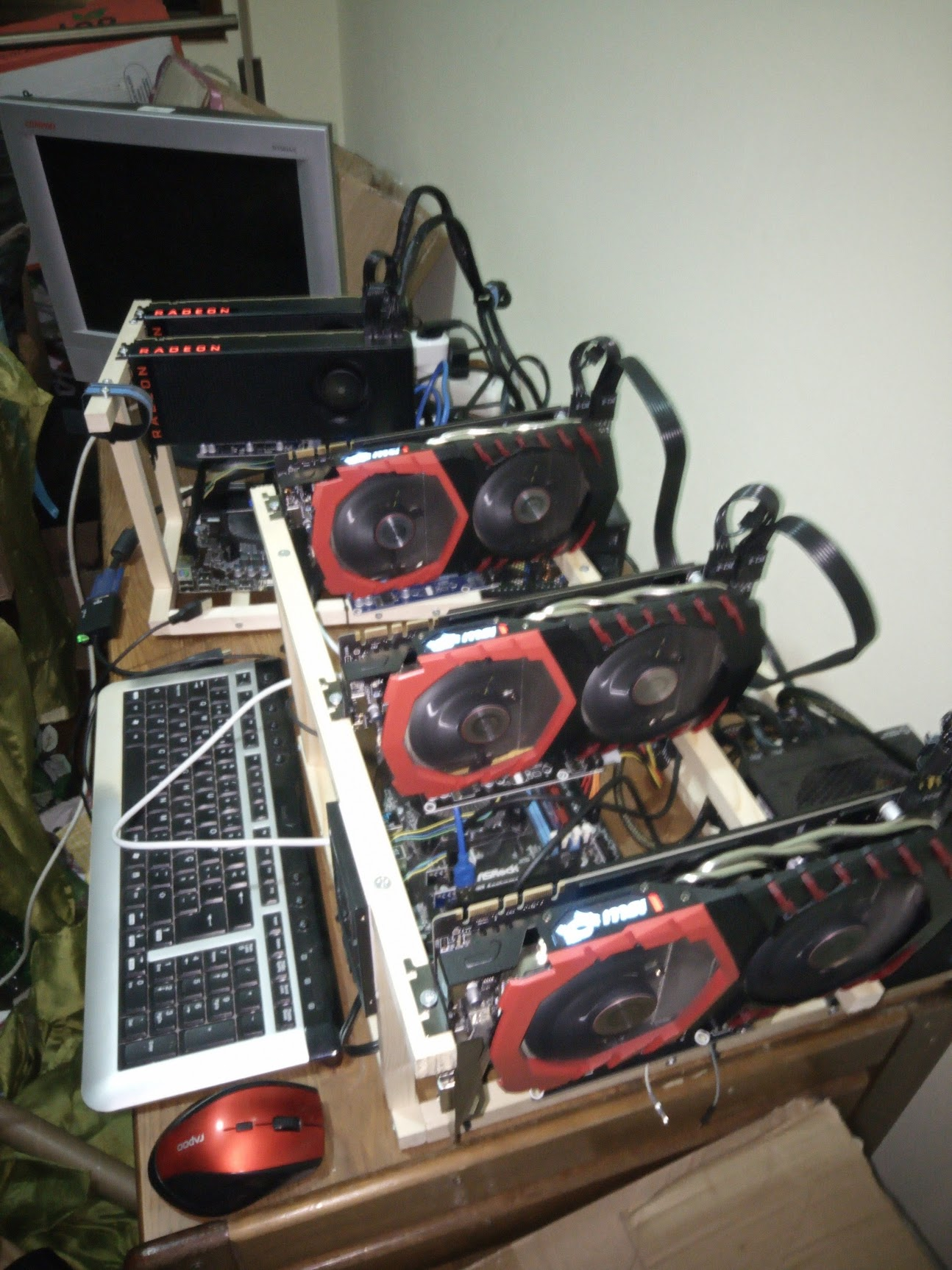
My miners, living among my mother's wedding decorations.
With the rise of AI agents — and my recent interest in OpenClaw — I started thinking about a problem these agents will inevitably face: interacting with money.
Getting a bank account or API tokens for an AI agent to touch your finances is hard. Permissions, compliance, trust. It's a mess.
Cryptocurrencies and digital currencies are a natural fit for this. Programmable money, no gatekeepers.
Bitcoin though? Probably one of the worst options for it. Better alternatives exist:
- TON
- Stellar
- Polkadot
- Ethereum
- ...and others
If you want to go deeper on AI agents and money, Nat Eliason covers it well: youtube.com/watch?v=vF3dK1TywAk
The two flaws I found
Reading the whitepaper with fresh eyes, two things stood out.
Flaw 1 — It's backed by wasted energy
At first glance, Bitcoin looks unbacked — its value is based on collective belief, same as fiat currencies. Fair enough, most money works that way.
But it's actually worse than unbacked. Bitcoin is backed by CPU time and energy consumption. That energy powers the network and confirms transactions — but most of it is deliberately wasted. That's the point of proof-of-work: artificial difficulty to make cheating expensive.
Bitcoin reportedly consumes more electricity than some countries. That's the cost of the design.
Ethereum addressed this by switching to Proof of Stake: instead of burning energy, people with skin in the game (staked coins) are accountable for confirming transactions. Same incentives, a fraction of the waste. At least in theory.
Flaw 2 — Lost coins are lost forever
The distribution was never really fair. Early adopters were mostly a small circle of technically savvy people — nerds, whales, and more nerds.
But the bigger, thornier problem is lost coins. Wallets with no recovery. Dead hard drives. Forgotten keys. Those coins are gone forever — mathematically unreachable with any compute power we have or will have. And if someone ever does break the encryption, it doesn't just recover the coins — it destroys Bitcoin's value entirely.
There's no elegant solution to this. It's a fundamental tension in the design.
A crazy idea I've been sitting on
The whitepaper is worth reading if you're technical. If you're not, it's honestly pretty dense.
But reading it got me thinking about something I've wanted to build for a while: my own coin. Not a cryptocurrency exactly — more like a token or digital currency that borrows the best ideas from Bitcoin, without the baggage.
The principles I'd want:
- Public, transparent transactions
- Protected against inflation
- Simple enough for non-technical people to understand and use
- Cryptography as an optional layer for those who want it
- Distributed in a way that actually creates value in the world, or is backed by something real
That last point is the hardest one. Distribution is everything.
Let's talk
I want to hear from you:
- How would you distribute it?
Drop me a message if you have thoughts.
What should you do next?
Comment or give me feedback via email. Follow the site via RSS or Email.
- ← Previous
100x Engineers